Import Your Data
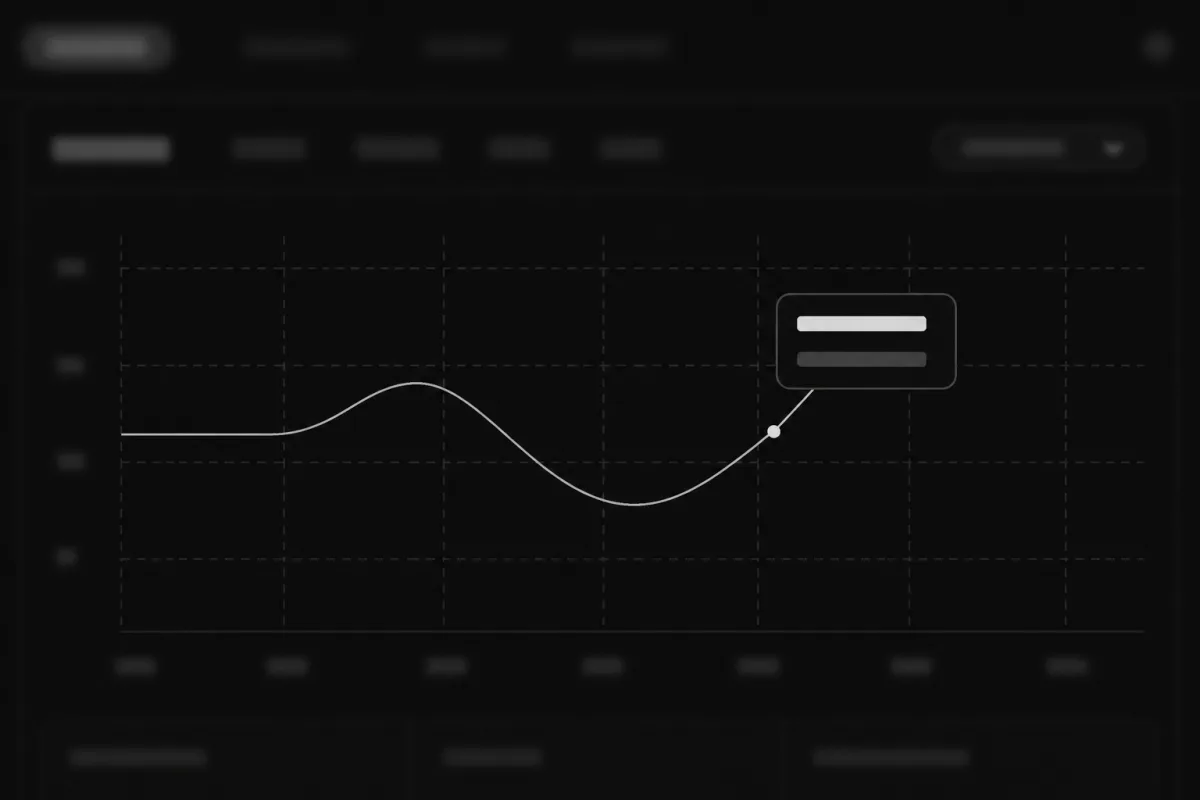
Bring existing geometries, simulations, test results, parameters, and operating data into one engineering workspace.
Platform
Bring existing geometries, simulations, test results, parameters, and operating data into one engineering workspace.
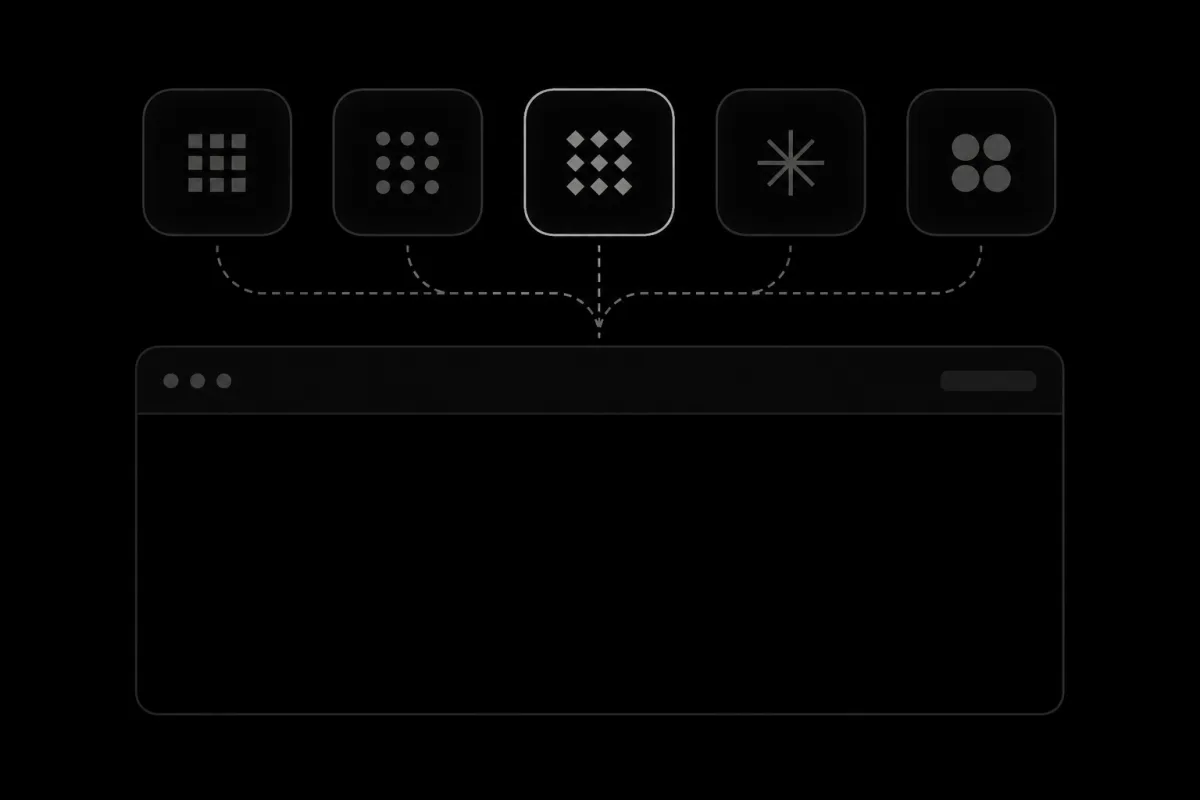
Start from pretrained Physics AI models, then apply them directly or fine-tune them for your design space.
Accelerate design cycles, build reusable workflows to be used across teams, and drastically increase simulation engineer efficiency.
Select and export the best designs, validated simulation outputs, and reusable datasets into downstream engineering workflows.
Complete Physics AI workflows for your industry.
Run familiar simulation software with your own licenses and keys or UniversalAGI’s.
Run thousands of near-instant simulations with Physics AI models.
Built into the platform: train or fine-tune pretrained models on your data.
Platform-native pretrained physics models, ready to apply or fine-tune to your use case.
Run securely across cloud or on-prem infrastructure with governed APIs and compute.
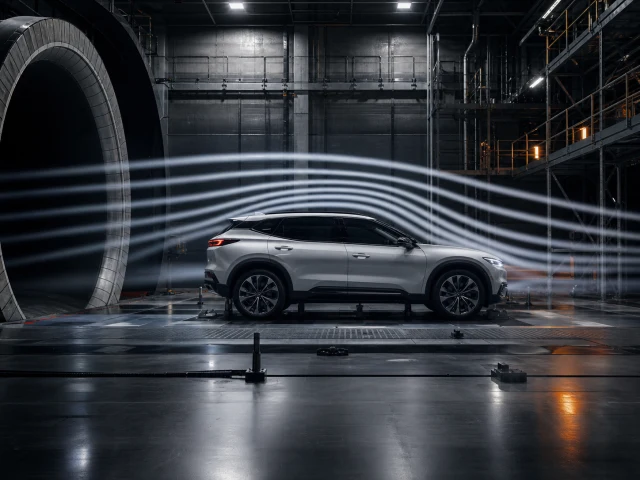
UniversalAGI’s LIFT model architecture is able to accurately predict physics for many diverse types of simulation from CFD to FEA and more. This includes fluids, thermal, multiphase flow, reservoir and subsurface simulation, seakeeping analysis, and more. UniversalAGI’s LIFT model has a grounded physics intuition, which can be applied to these different simulation cases by training it with the appropriate data. Additionally, UniversalAGI trains large physics models on large proprietary datasets for specific simulations, which can be used with little to no fine-tuning.
UniversalAGI’s models require 5X less data than other AI physics modeling solutions, meaning that the models can be set up faster. As with all AI models, the more data it can be trained on, the better. However, the minimum amount of data required to reach a high amount of accuracy is very little, often in the 10s of data samples.
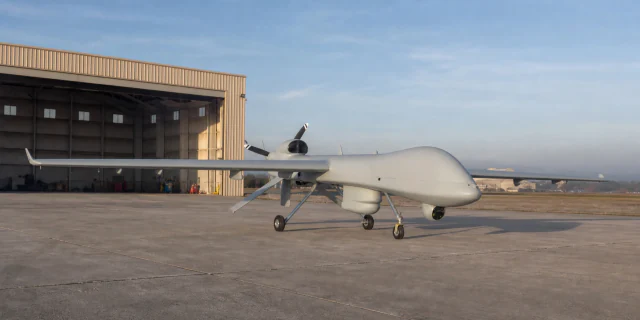
Yes, UniversalAGI models can be deployed on prem. Our team has deployed models in the most sophisticated security environments, including for top defense programs.
Validation package against trusted simulation methods. Uncertainty quantification.
Our models are highly accurate compared to traditional simulation techniques. The exact accuracy depends on the use case and investment.
LIFT (Latent Interaction Field Transformer) is our proprietary AI model architecture that is 3X more accurate and 5X more data efficient than any other AI physics models, validated by our industry partners.